Anodizing vs Electroplating: The Essential Difference
One grows a layer from the metal itself; the other deposits a different metal onto it.
2026-10-10
The question buyers ask most about finishes: "anodizing or plating — what is the actual difference?" Both make metal look good, but their principles, wear behaviour and applicable materials are entirely different. Choose wrong and it is not a style problem — it is a lifespan problem.
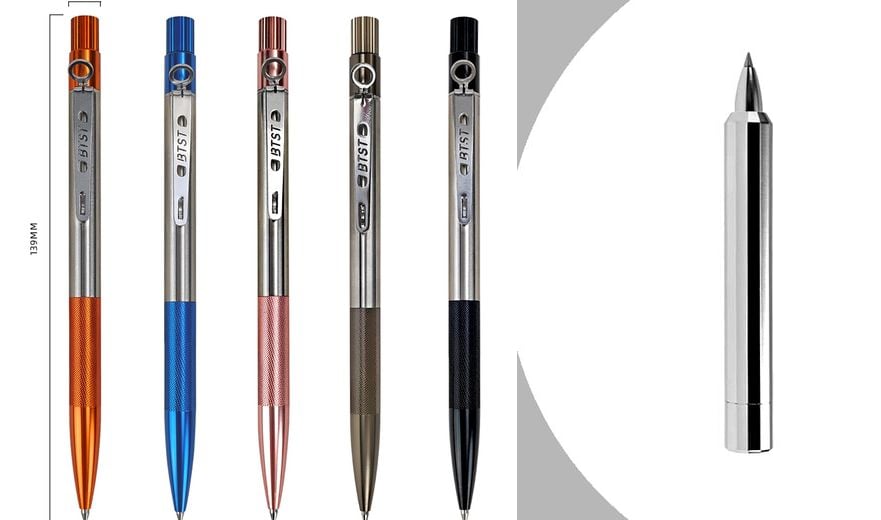
The principle: grown versus applied
Anodizing converts the aluminium surface into aluminium oxide. The oxide layer comes from the base metal itself — no interface between layer and substrate. Colour is locked in the pores of the oxide; wherever the wear reaches, the colour follows.
Electroplating deposits a different metal (chrome, nickel, gold) onto the surface through electrochemistry. The plating is an added layer held on by adhesion. However dense it is, plating and substrate remain two materials with two stress states.
One sentence: anodizing transforms the metal; plating wraps it.
Wear behaviour: how each one fails
This is the dimension buyers should care about most. Scratches, knocks and sweat act on the two finishes very differently:
- Anodizing: the hard oxide layer is itself wear-resistant (aluminium oxide is far harder than the aluminium beneath). Light scratching touches a few microns of film — colour unchanged. A hard knock may expose base metal, but what shows is aluminium's own colour — no abrupt mismatch, no spreading stain.
- Plating: once the layer is penetrated, the base metal is exposed and damage tends to spread from weak spots. Chrome is hard but somewhat brittle; edges and corners concentrate stress and deserve a little more care.
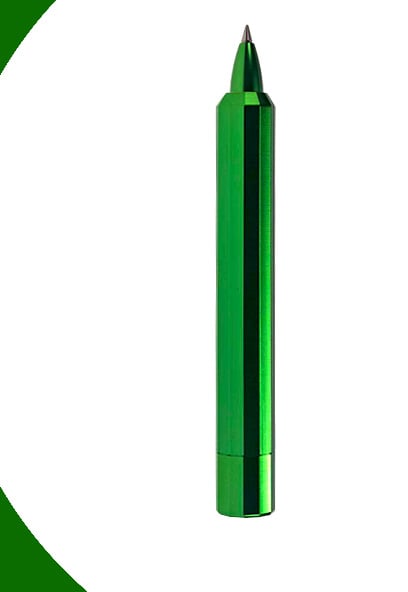
Material compatibility: neither process is universal
Anodizing applies to aluminium (and titanium) only — stainless steel has no true anodizing process. Plating accepts far more: steel, copper, zinc alloy. That is why cheap "metal" pens on the market are usually plated zinc alloy — cheap material, convincing look. But the state of a plated zinc pen after one year, and a steel-plus-anodized-aluminium pen after one year, are not in the same league.
How to choose: by use case
- Daily-carry pens and corporate gifts: choose anodized aluminium parts with stainless structure. A gift speaks for you; a mottled plated finish a year later speaks against you.
- Low-frequency decorative pens wanting mirror or precious-metal looks: plating has genuine visual advantages chrome-like anodizing cannot offer — but expect "it is a skin".
- Engraving needs: both laser-engrave well, but engraving through anodizing reveals base-metal colour for a soft contrast; engraving through plating leaves edges that oxidise and lift over time.
Our choice is written into the product structure: structural parts in 304 stainless (corrosion resistance, load), exterior parts in anodized aluminium (light, colour-stable). It is not a cost trade-off but a division of strengths — the same logic behind the 10-year warranty on all 13 models: when the finish holds, nothing starts failing from the surface.