Anodizing: How Metal Takes Colour
The colour is not painted on — it is sealed inside an oxide layer grown from the metal itself.
2026-10-11
Anodized colour is not painted on and not plated on — it grows out of the aluminium itself. When an aluminium part is immersed in an electrolyte and charged, its surface converts into a thin, dense layer of aluminium oxide. That layer is full of microscopic pores; dye travels into the pores, and sealing locks the colour inside. The colour lives inside the metal, not on top of it.
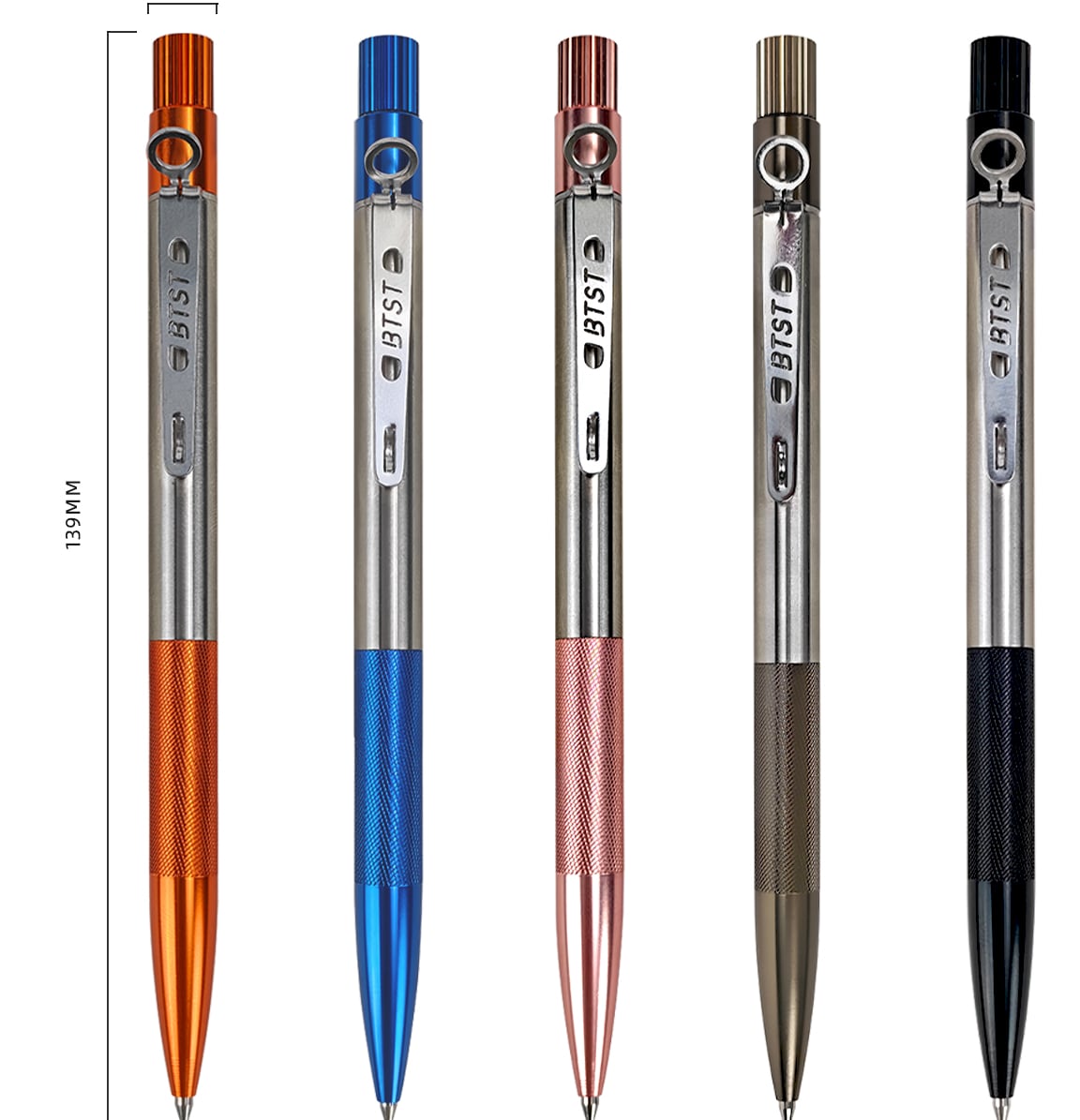
Why it does not fade or flake
Understanding "grown" versus "applied" is the whole point of anodizing:
- Paint is a layer sitting on the metal — two different things bonded together. Impacts chip it, scratches expose the substrate, and edges go first.
- Electroplating deposits a different metal on the surface; even with good adhesion it is still an added layer — see our anodizing-vs-plating comparison.
- Anodizing turns the aluminium itself into oxide. There is no interface between colour and metal: however deep the wear, the colour continues — there is no coating to separate.
Everyday handling, key scrapes and bag friction only touch a few microns of oxide surface; the colour stays even. This is also why an aluminium barrel grows more personal with use — the colour never washes out, and patina simply adds character on top.
Film thickness: the balance between wear and tone
Thicker is not better. Too thin, and wear and corrosion resistance suffer. Too thick, and the layer turns brittle and the colour goes dull. Pen-grade film thickness is a balance point: enough to survive daily cap friction, thin enough for the dye to read clean and bright. The Pu Series barrels stay even and streak-free after years of handling because we hold that point deliberately.
Colour matching: from Pantone to a consistent batch
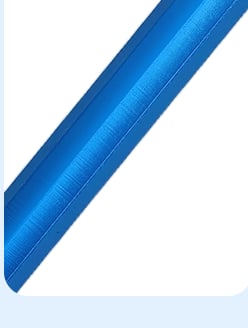
The most common corporate requirement is "match our brand colour". Anodizing can be matched to a Pantone or RGB value, but metal reads differently from print — the same dye varies slightly with aluminium batch and film thickness. Our practice: sample first, seal and approve the colour plaque, then run the batch. We do not promise "close enough" from a swatch book.
A common misconception: stainless steel cannot be anodized
Anodizing is an aluminium process. It is one reason our products are typically a steel-and-aluminium pair: stainless carries corrosion resistance and structure (bay, barrel), aluminium carries lightness and colour (tips, grips, exterior parts). Each metal does the job it is best at — division of labour, not convenience. So when you see "anodized stainless steel" anywhere, raise an eyebrow.
Daily care
The oxide surface is dense and does not absorb grime; a soft cloth is all the maintenance it needs. Avoid prolonged contact with strong acids or alkalis. The layer is only microns thick — sandpaper will punch straight through it. With normal use over ten years, the colour is the colour you received — which is exactly why our 10-year warranty lists abnormal anodized coating defects as covered.