Why 304 Stainless Steel
304 stainless is the core of our barrels — dense, corrosion-resistant, and it develops a patina with use.
2026-10-09
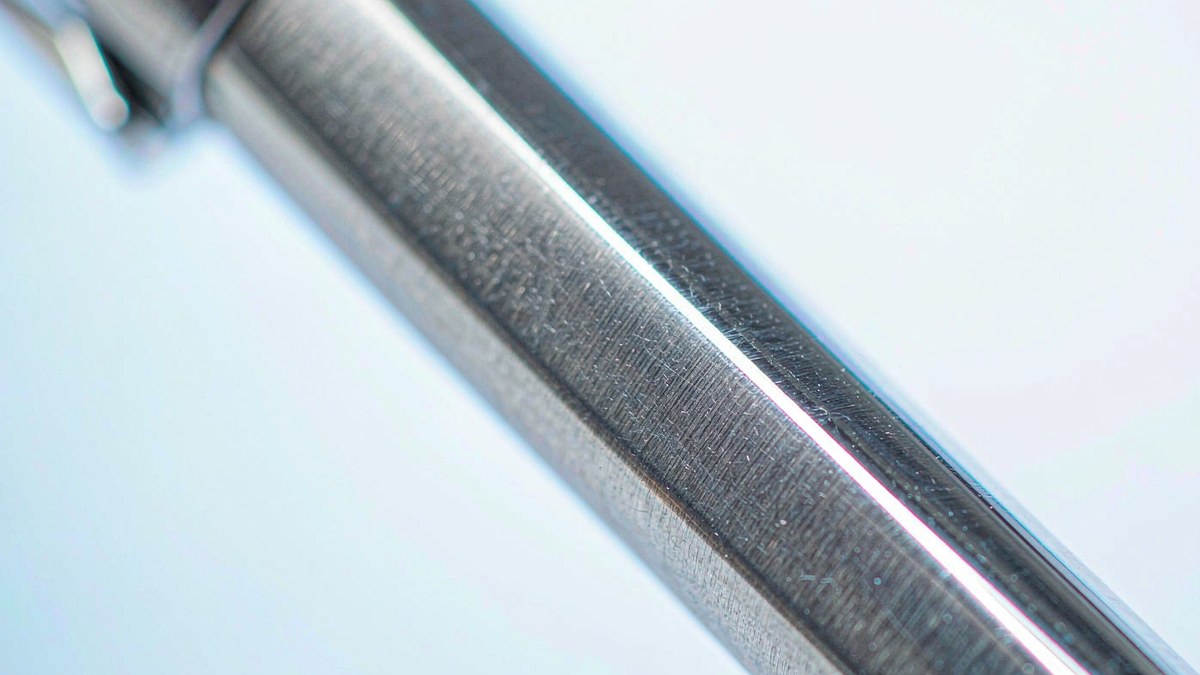
304 is the most common stainless grade — common enough to be mistaken for "ordinary". In the stationery industry, however, it is a genuine premium for pen bodies: a large share of "metal pens" on the market are actually plated zinc alloy, costing a fraction of 304 and lasting a fraction as long. This page explains why we chose 304 and what it actually delivers.
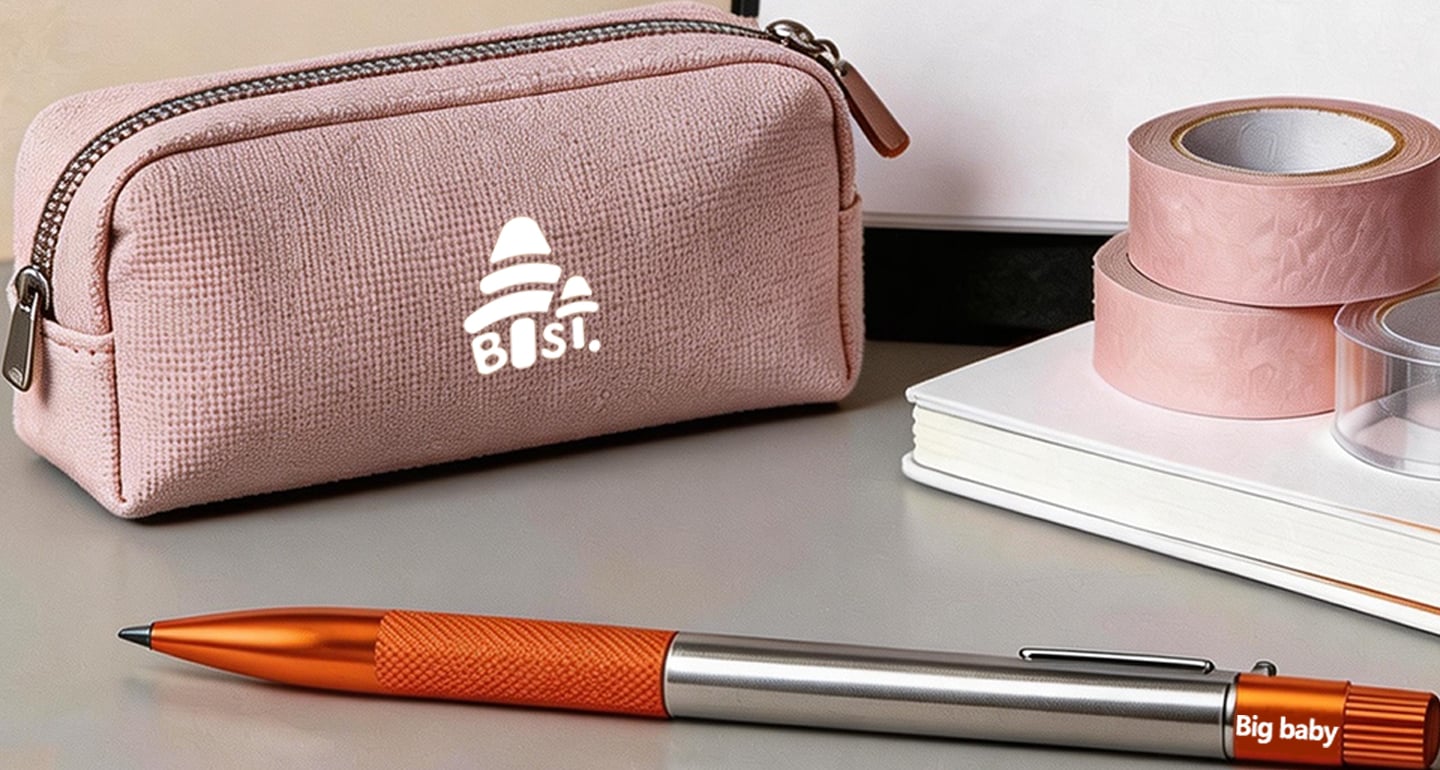
What 304 means: the 18/8 story
304 is also called 18/8 stainless — roughly 18% chromium, 8% nickel, mostly iron for the rest. Chromium reacts with oxygen to form an extremely thin passive film on the surface: dense, stable, and self-repairing. As long as oxygen is present, a scratch re-passivates quickly. That is the science behind "stainless" — not immunity to oxidation, but an oxide layer that keeps healing itself.
Why a food-contact grade in a pen body
A pen lives in the hand, sometimes near the mouth, often on the dinner table (signing, delivery slips). 304 is a food-contact-safe grade — the same specification used widely in cookware, tableware and thermos vessels. Long-term skin contact and the occasional touch of the mouth carry no concern of heavy-metal migration. And we do not just say it: our 304 tube carries a third-party RoHS test report (no. U10202230519605-1E, May 2023) and a material certificate you can file directly for compliance.
Corrosion resistance in real scenarios
Sweat is the worst enemy of metal stationery — it carries salts and lactic acid that corrode zinc alloy relentlessly and rust plain carbon steel. 304's passive film shrugs off sweat, hand soap and rain: pocket it out, get caught in a shower, hold it with a damp hand all afternoon — a wipe with tissue and it looks untouched. Our return rate has stayed around 0.5%, and material choice is the first line of that curve.
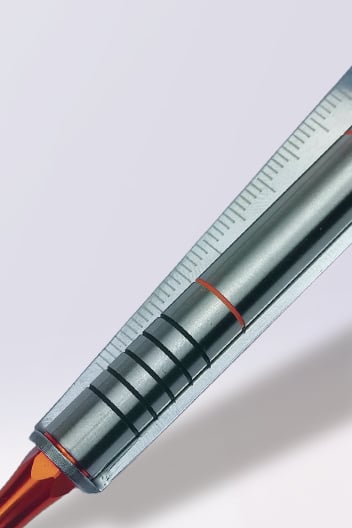
Three common misconceptions
- "A magnet sticks, so it is fake stainless" — wrong. 304 is austenitic; slight magnetism after cold working is normal physics, not fakery. In fact, a "stainless pen" a magnet grips firmly is more likely ferritic steel or nickel-plated iron.
- "316 beats 304, so 304 is worse" — depends on the scene. 316 adds molybdenum for chloride resistance (marine, medical), at higher cost and lower hardness. Stationery sees no sustained salt spray; 304 is the better balance of value and hardness.
- "All stainless is the same" — low-nickel grades like 201 corrode noticeably more and cost noticeably less. The difference is not the number; it is whether you will pay today's price gap for how it feels in ten years.
Why the pen-bay pen is full 304
The Dog 2.0's bay and barrel are machined from one-piece 304, with aluminium tip and tail. The logic is direct: the bay carries weight, takes refill swaps, and gets handled constantly — stainless strength and wear resistance are things aluminium cannot give. The tip and tail need lightness and colour — aluminium's home turf. Material follows function, not cost. That is the confidence behind putting a 10-year warranty in writing.