RMB 30–80: The Most Crowded Battleground in the Pen Market
As China's stationery market heads toward RMB 160 billion, the RMB 30–80 band is being carved up fast by design-driven newcomers. Why do consumers pay a premium for a pen? The answer is not in the tip.
Public data puts China's stationery market at about RMB 132 billion in 2024, up from roughly 71 billion in 2019, with several research houses projecting nearly 160 billion by 2026. The structure matters more: the RMB 30–80 mid-premium band is being carved up fast by design-driven newcomers — one public study estimates their share at 18.5%.
From functional necessity to emotional carrier
The industry consensus reads: stationery is shifting from a functional necessity to an emotional carrier. For pens this means — smooth writing is only the passing grade; what the premium actually buys is how the pen looks on a desk, the conversations it starts, and how long it lasts. Gen-Z and young professionals pay for the combination of looks, function and meaning.
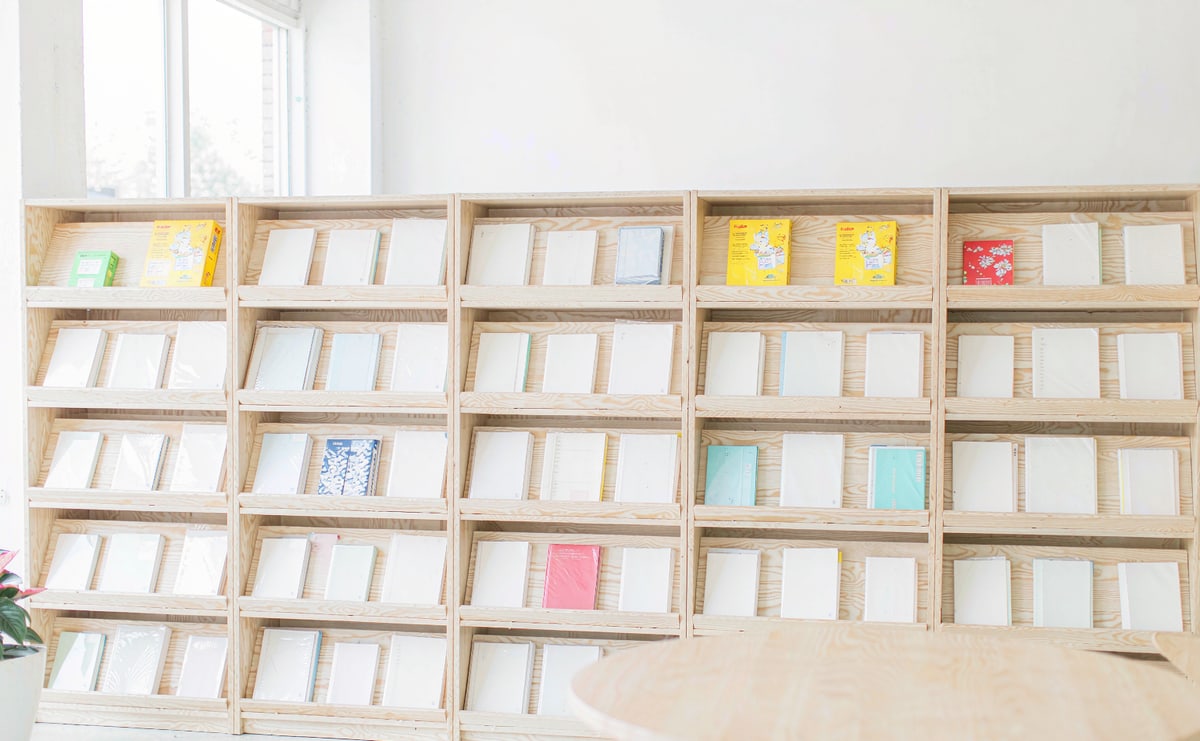
Shelf competition: the more crowded the band, the more differentiation retreats into material and design
What holds the premium up
| Pillar | Evidence a consumer can perceive |
| Material | Solid metal vs plated plastic — six months settles it |
| Design | Original structure (patents are checkable), not re-badged generic molds |
| Durability | Replaceable refills, repairable body — low long-term cost |
| Story | Gift-worthy narrative: material, craft and meaning all explainable |
Also, honestly
The flip side of a premium is higher expectations: if material fails the finish or design fails durability, the premium is clawed back in the first batch of reviews. The band is crowded precisely because entering is easy, standing firm is not. For manufacturers this is good news: factories that can substantiate tolerance, yield and warranty will always have orders.