From Watch Parts to Full-Metal Pens: Seven Decades of Manufacturing
Watch components since 1951, parts for renowned watch brands since 1994, our own pens since 2023 — where the capability comes from.
2026-10-13
When buyers assess a factory, the first question is usually "how long have you been doing this". It sounds simple, but it sets the credibility of every answer that follows: "we are ISO9001 certified" carries very different weight from a ten-year-old factory than from a seventy-year-old one. This page is about where the manufacturing behind BTST actually comes from.
It started with watch parts, not pens
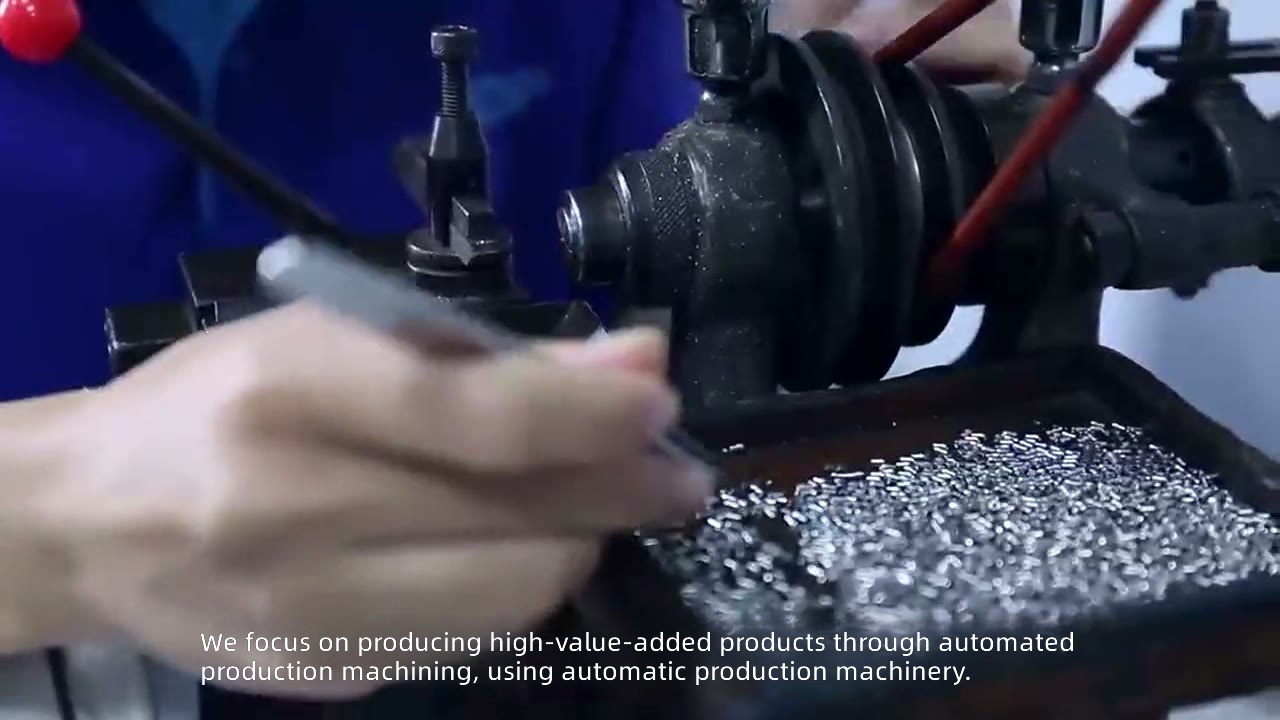
Our manufacturing roots begin in 1951, making watch components — crowns, pushers, connectors — the kind of small metal parts that must survive years of wear at very tight tolerances. That starting point shaped our technical instincts: how metal is cut, how precision is held, how surfaces are finished. These are questions we have been answering for a very long time.
Watch parts are demanding. The assembly tolerance of a pusher is often within a few tenths of a millimetre, and it has to withstand sweat and friction indefinitely. A factory that can make such parts reliably is working a step down when it makes a full-metal pen barrel: applying the same sense of tolerance to a pen's diameter and fit is considerably easier than making watch parts.
1994: taking that capability to its limit
In 1994, our Shenzhen manufacturing base was established and began supplying parts to renowned watch brands on a long-term basis, gradually extending precision machining into a wider range of industries. Today our work spans smartwatch components, precision metal parts, optical communication parts, food-contact components and more.
Over these decades we have solved very different problems for different clients: some needed million-piece volumes on very short lead times; some needed a few hundred pieces at extreme tolerance; some needed difficult materials with consistent surface finishes. Every order meant re-planning the process and re-validating it. That repetition does not accumulate a particular technology — it accumulates a method for working out how to make something we have not made before.
Why we can commit to precision
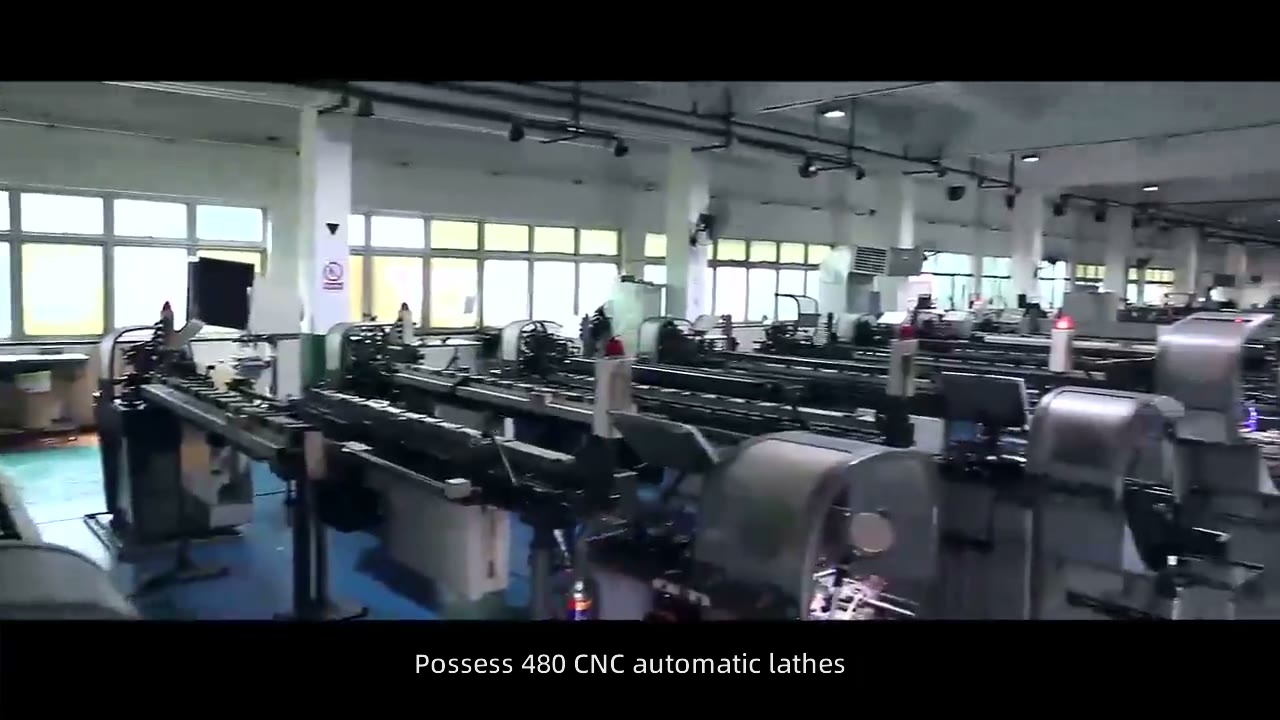
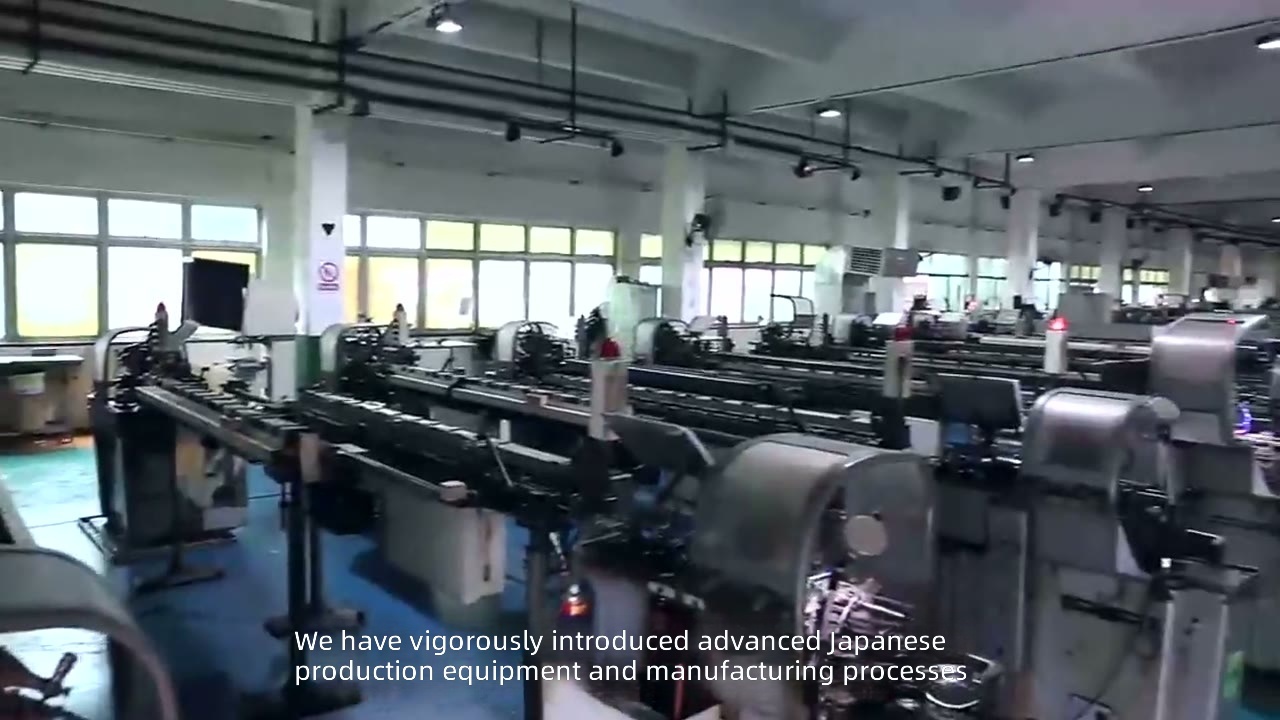
Because precision is backed by real equipment. We run 596 units of equipment in total: 271 for primary machining (156 CNC lathes, 114 automatic cam lathes), 65 for secondary operations, and notably 260 units of inspection and testing equipment — including Keyence automatic inspection, Mitutoyo profile and roundness measurement, hardness testers, and fatigue, salt spray and waterproof test rigs.
Inspection accounting for over forty percent of the fleet is not about appearances. It reflects the fact that in precision manufacturing, the real cost is not "making it" but "confirming it is right". We would rather catch problems inside the factory than let them reach you. This is also the practical basis for the 10-year warranty we offer.
A system: from standard documents to every single part
Manufacturing capability is not just a pile of machines; it needs a method that makes every batch reproducible. Our quality system is built on ISO9001 quality management and ISO14001 environmental management, applied across three stages.
Before, we maintain four categories of standard documents: tooling standards by material and equipment, programming standards by machine, process flow documents, and inspection standards. During, we run a 72-hour certification and a 0-to-3 grading system (grade 0 exceeds expectation, grade 1 fully conforms, grade 2 conforms with minor defects, grade 3 is non-conforming and isolated, with control focused on preventing grade 2 from spreading into grade 3). After, defect data feeds back into improvement, and quality documents are required to update whenever customer requirements change.
2023: from "built to someone else's standard" to "our own"
In 2023 we founded our own brand, BTST, extending the manufacturing capability from "making components for other people's products" to "making a complete product ourselves". Moving from parts to a whole pen means defining form, structure and colour, and facing the user directly. That is harder than making components, but for a craft accumulated over decades, it is the process of delivering that capability to the last centimetre.
It is a natural progression through three stages: precision metal parts since 1951, precision manufacturing for global brands since 1994, and our own full-metal pens since 2023. Each layer built on the one below it.
What this means for you as a buyer
If you are assessing a long-term manufacturing partner, one thing is worth looking for: has this factory handled requirements it had never seen before? A factory that has made watch parts has a mature validation path for unfamiliar materials, structures and tolerances. A factory that has only run high-volume standard parts tends to rely on outsourcing when something changes.
We do not claim to be able to make anything. What we can state plainly: precision metal machining, micron-level tolerance control, demanding surface finishing, and turning that capability into a product people want to pick up every day — we have been doing this for decades.