Warranty and Defect Handling: 10-Year Cover, Free Replacement
A 10-year warranty, free replacement, dispatch within 3 days domestically and 7 days overseas — plus the quality system behind it.
2026-10-14
The two questions buyers ask most before ordering are "how long is the warranty" and "what happens if it breaks". Both are really the same question: when something goes wrong, how will you treat me. We answer it with written terms rather than an adjective.
Warranty: 10 years
We offer a 10-year warranty. The normal writing life of a pen far exceeds that, so what the term covers is abnormal failure: a warped barrel, a broken tip mechanism, magnets that no longer hold, a cap thread that seizes, or anodizing that flakes unexpectedly.
One clarification: refills are consumables and are not covered. A refill is designed to be replaced — that is a separate matter from the barrel. Gradual loss of magnetic strength with heavy use is normal physics and is not treated as a defect.
Defects: free replacement
Once something is confirmed as a defect we replace it free of charge. We do not use vague alternatives like "reissue" or "credit note" — we send a new unit.
Timing depends on destination: domestic orders ship within 3 days of confirmation; overseas orders within 7 days. The longer overseas window reflects international transit itself. We build that variable into the commitment rather than passing the blame to the carrier.
How is a defect determined?
Two steps, and most cases end at the first one.
- Step 1 · Send a photo or short video. We judge from images of the part or the whole pen. A wobbling tip, a cap that will not hold, an abnormal surface finish — all of these are resolved here.
- Step 2 · Send for testing if there is a dispute. If photographs are not conclusive, or a batch is in dispute, we ship samples or propose a testing plan, and a third-party report is the final word.
We would rather not start with testing — it is slow, and for most problems it is an excessive step. Talking first is faster for both sides than producing evidence first.
What we need from you
Three things: an image of the problem area (photo or short video), your order number, and the batch or approximate delivery date. You do not need to describe the whole purchase, and please do not disassemble the pen first — doing so can affect the assessment.
The rest is ours.
What sits behind the warranty
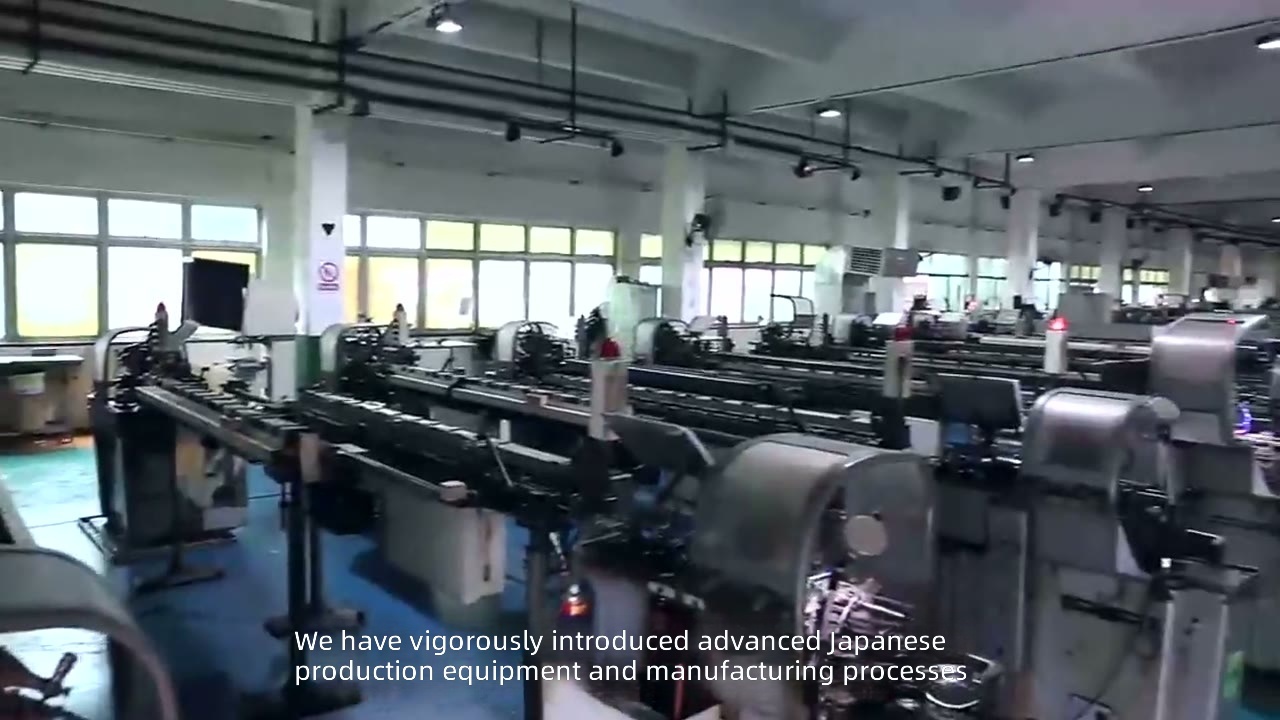
A 10-year warranty is a promise, and promises need a system. Our controls are built on an ISO9001 management framework, divided into before, during and after production.
Before: four categories of standard documents — tooling standards by material and equipment, programming standards by machine, process flow documents, and inspection standards. During: a 72-hour certification — S is the technical certification, where the engineer guarantees product conformity within 72 hours of machine start; L is the production certification, where the operator guarantees conformity within 72 hours of taking over the job, mainly for large-volume orders. We also grade products 0 to 3: grade 0 exceeds expectation, grade 1 fully conforms, grade 2 conforms with minor defects, grade 3 is non-conforming and isolated. Control focuses on grade 2, to stop minor defects spreading into grade 3. After: defect data feeds back into improvement.
The hardware behind this is directly countable: 596 units of equipment in total, of which 260 are inspection and testing machines — including Keyence automatic inspection, Mitutoyo profile and roundness measurement, hardness testers, fatigue testers, salt spray testers, waterproof testers and online vision measurement. With inspection equipment accounting for over forty percent of the fleet, problems are caught inside the factory rather than reaching you.
If you are not ready to decide yet
Ask us for the written warranty terms and the defect-handling procedure before you order, and archive them with the purchase file. When you enquire, tell us which points matter — lead time, warranty, acceptance criteria — and we will send the relevant documents with the quotation. Procurement decisions rest on documents, not on verbal assurances.