What a Ten-Year Warranty Actually Means: How Long a Pen Stays With You
A ten-year warranty is often treated as advertising. It is really a calculable question: will materials age, will structures loosen, will tips wear — and which products can honestly take on that commitment?
Break ten years into its parts and only three kinds of wear decide how long a pen lasts: material ageing, structural wear and tip consumption. A maker offers a ten-year warranty because it has made deliberate trade-offs in all three — rather than vaguely promising it "will not break".
First: material ageing
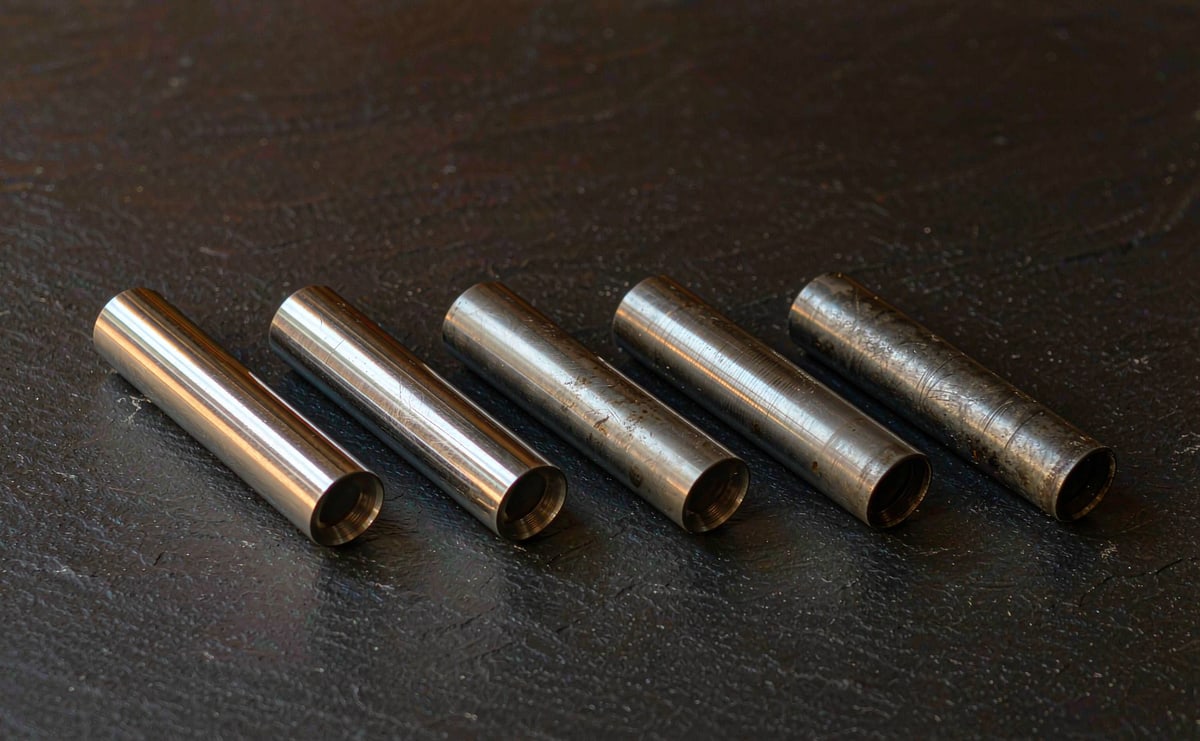
The usual "ageing" of a metal barrel is not rust but the gradual wearing of the surface treatment: plating, PVD and anodising layers thin with use, mirror shine giving way to satin. This is normal wear. It does not affect structure, but it does affect appearance.A ten-year warranty normally covers structure and function; the natural change in surface appearance is usually excluded — which belongs in the terms rather than left to a support agent to interpret.
Second: structural wear
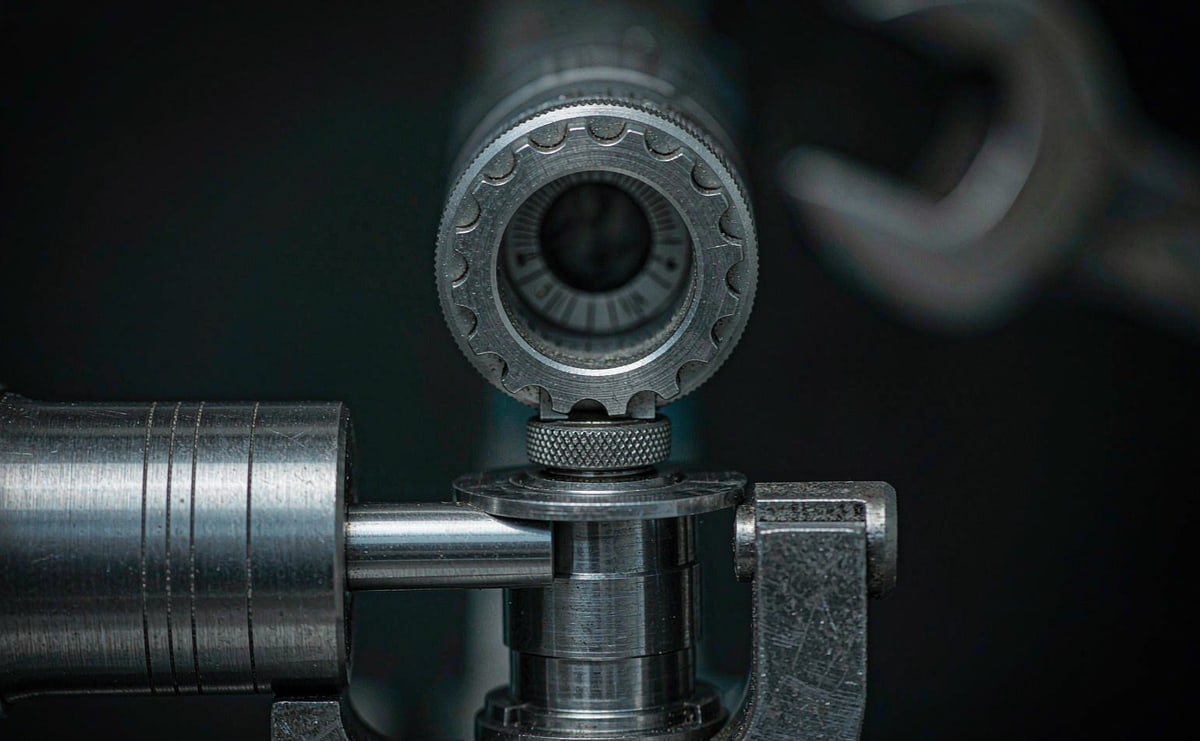
This is what a ten-year warranty genuinely underwrites. Do opening mechanisms, magnetic closures and threaded fits stay smooth and secure after tens of thousands of cycles? For "ten years" to hold, material choice and process must leave sufficient margin — magnet parts in materials that resist demagnetisation, mating surfaces designed against the tolerance left after long-term wear. That is not a stricter standard; it is margin built into the design.
Mirror to satin: the surface changes with use while wall thickness and structural strength do not — exactly where the warranty line falls
Third: tip consumption
This is the only genuinely consumable part. Balls wear and refills run out, and no ten-year warranty can cover consumables. Excluding replaceable consumables while keeping replacement cost low — a matching refill available at any time — is what makes a ten-year commitment reasonable rather than empty.
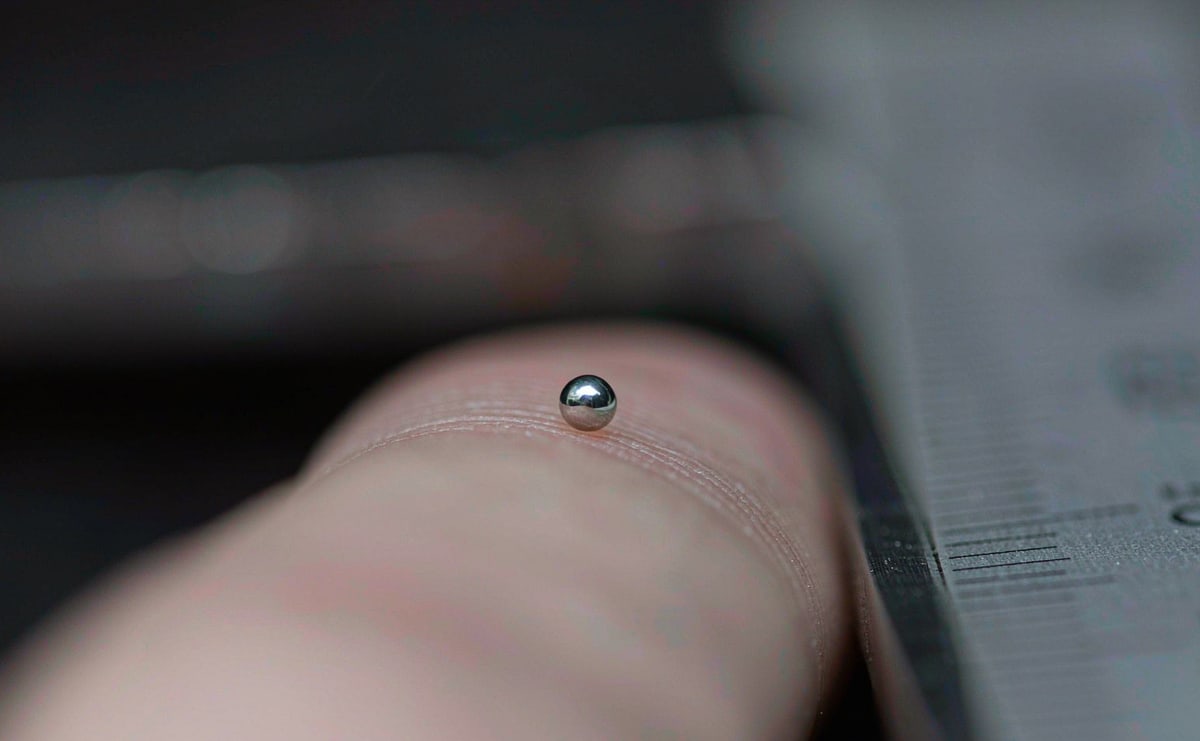
A pen ball on a fingertip: this is the part that always wears out — tiny, yet it decides how much this pen can write each day
Why this matters to buyers
The cost of one pen to an organisation is far more than its purchase price. If it loosens in three years and fails in five, what follows is reordering, redistributing, and the impression the brand leaves on everyone who receives it.A product with a predictable ten-year life removes that hidden cost. The real audience for a ten-year warranty is therefore not the user, but the organisations held accountable for that pen for years.
In one sentence: a ten-year warranty stands only when all three trade-offs add up — margin in the structure, cheap replacement of consumables, and boundaries written into the terms in advance.