A Block of Metal's Journey: CNC Craft
Cut from a single block of stock, held to 0.01 mm and watchmaking tolerances.
2026-10-12
Our pen bodies do not come out of a mould. They are cut from a single block of metal. CNC machines remove material layer by layer, so the barrel, the structure and the fittings are formed as one piece — no glued seams, no clips, no mismatched materials. In the hand it feels like one solid thing, because it is one solid thing.
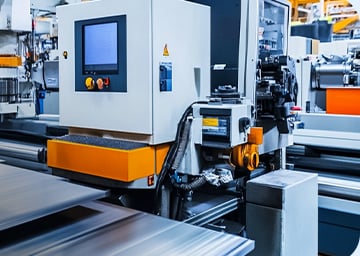
"One-piece construction" is not a marketing phrase here. It means the barrel wall, the bay, the thread seat and the clip mount all come from the same billet, with nothing inside that can loosen, separate or expand at different rates. Fewer joints means fewer things that can fail — which is exactly why a full-metal pen can accompany its owner for many years.
What precision actually means
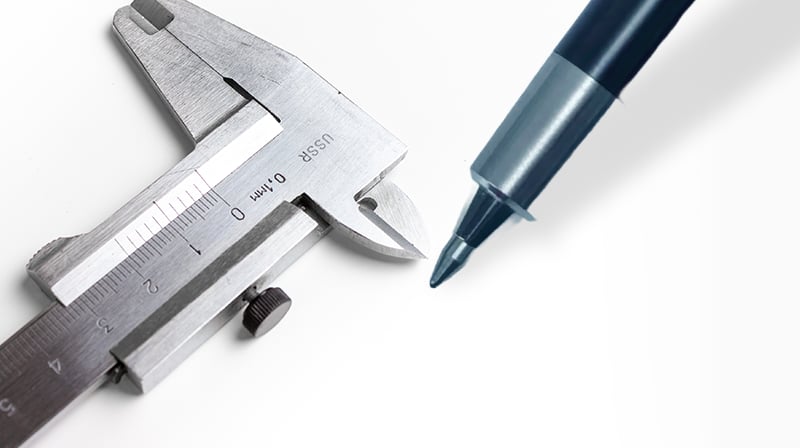
Our machining tolerance reaches 0.01 mm — about one seventh the diameter of a human hair. On the hand, it means three concrete things:
- Anti-slip texture is not random bumps but an even cutting pattern — enough friction for long writing sessions, never sharp enough to dig in.
- Structural fit: the damping of every click and twist can be tuned precisely — neither loose nor gritty.
- No wobble at the tip: the refill sits under even pressure. Pens built only for looks often wobble or leak when they are actually written with.
That 0.01 mm is not something a machine delivers out of the crate. Tool wear, clamping force, cutting parameters and shop temperature all eat into tolerance. Since 1994 we have written those variables into standards — which machine, which material, which tool, which parameters — so a part comes out the same regardless of who runs the shift. For the Shaohua lipstick pen, the CNC turning step is held to 0.001 mm.
Inspection before machining: 43% of our equipment only checks
The expensive part of precision manufacturing is not making the part — it is confirming that it is right. Of the 596 pieces of equipment in our workshops, 260 are inspection instruments — about 43%: CMMs, profilometers, projectors, gauges and fixtures. A pen is measured more times before it leaves the factory than it will be written with in its first month.
The system runs in three stages under ISO9001. Before production: four classes of standard documents (tool usage, machining programs, process flow, inspection criteria) lock the parameters in advance. During production: first-article inspection, batch sampling, and a mandatory check at every tool change. After production: full inspection of finished pieces plus retained samples for traceability. Problems are stopped inside the factory, not on your desk.
The process chain of one pen
From billet to boxed product: turning → milling of structure and texture → drilling and threading → deburring → hand finishing → surface treatment → final inspection. The step most often skipped elsewhere is hand finishing: CNC can hold an edge to 0.01 mm, but "feels comfortable in the hand" still needs human hands. The machine guarantees it will not scratch you; people make sure it feels right.
How it differs from other processes
Injection moulding leaves parting lines and flash; seams collect dirt and wear faster. Stamping suits simple shapes but cannot build complex internal structure. Hand carving depends on the individual craftsman, so no two pieces match in volume production.
CNC wastes more raw material than moulding. What it buys is density, consistency and structure that does not come apart.
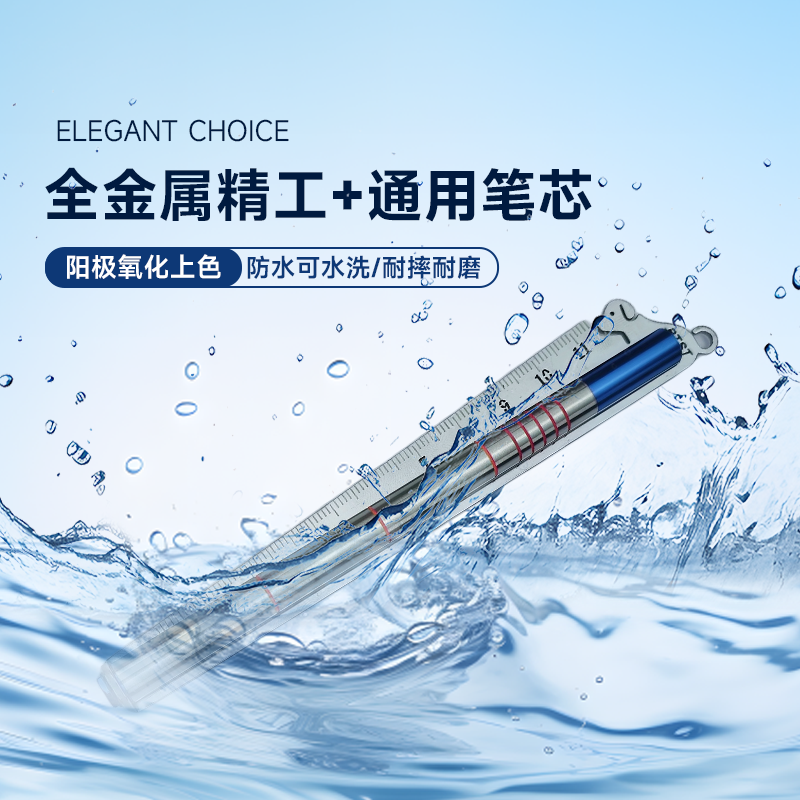
A CNC metal pen still looks finished years later — no paint to peel, no deformation. Anodized aluminium shells survive years of handling without fading. This is the engineering basis for the 10-year warranty we give across all 13 models: there are no seams to fail and no tolerances stacked up to loosen.
And it makes small batches practical
Custom textures, corporate marks and material pairings need no mould costing thousands — just a revised machining program. That is why limited editions and collaborations ship quickly here: small runs, multiple batches, no loss of precision.