China's Pen Industrialization: From Imported Pens to the World's Largest Producer
Fountain pens were once foreign imports; today China makes tens of billions of pens a year, about 80% of global output. The road runs through factory-building waves, joint state-private ownership, OEM transition — and that famous 'nib question'.
When fountain pens reached China, they carried a prefix: "foreign pens". Today, public industry data show China is the world's largest pen producer — from being unable to make a nib to supplying roughly 80% of global output, in under a century.
Starting out: the factory-building wave in Shanghai
In the first half of the 20th century, fountain pens were almost entirely imported. In the 1920s–30s, national pen factories emerged in Shanghai (public histories often cite Guanleming, Jinxing and others), starting from assembly and repair and gradually making barrels and nibs themselves. This stage answered "can we make one at all."
Consolidation and the chase
After the joint state-private ownership reform of the 1950s, the industry consolidated into several brands still known today; the 1958 slogan "Hero catches Parker" became an emblem of that era's industrial competition, and the Hero 100, finalized in 1962, became a memory for generations. This stage answered "is it good" — setting a quality benchmark under the planned system.
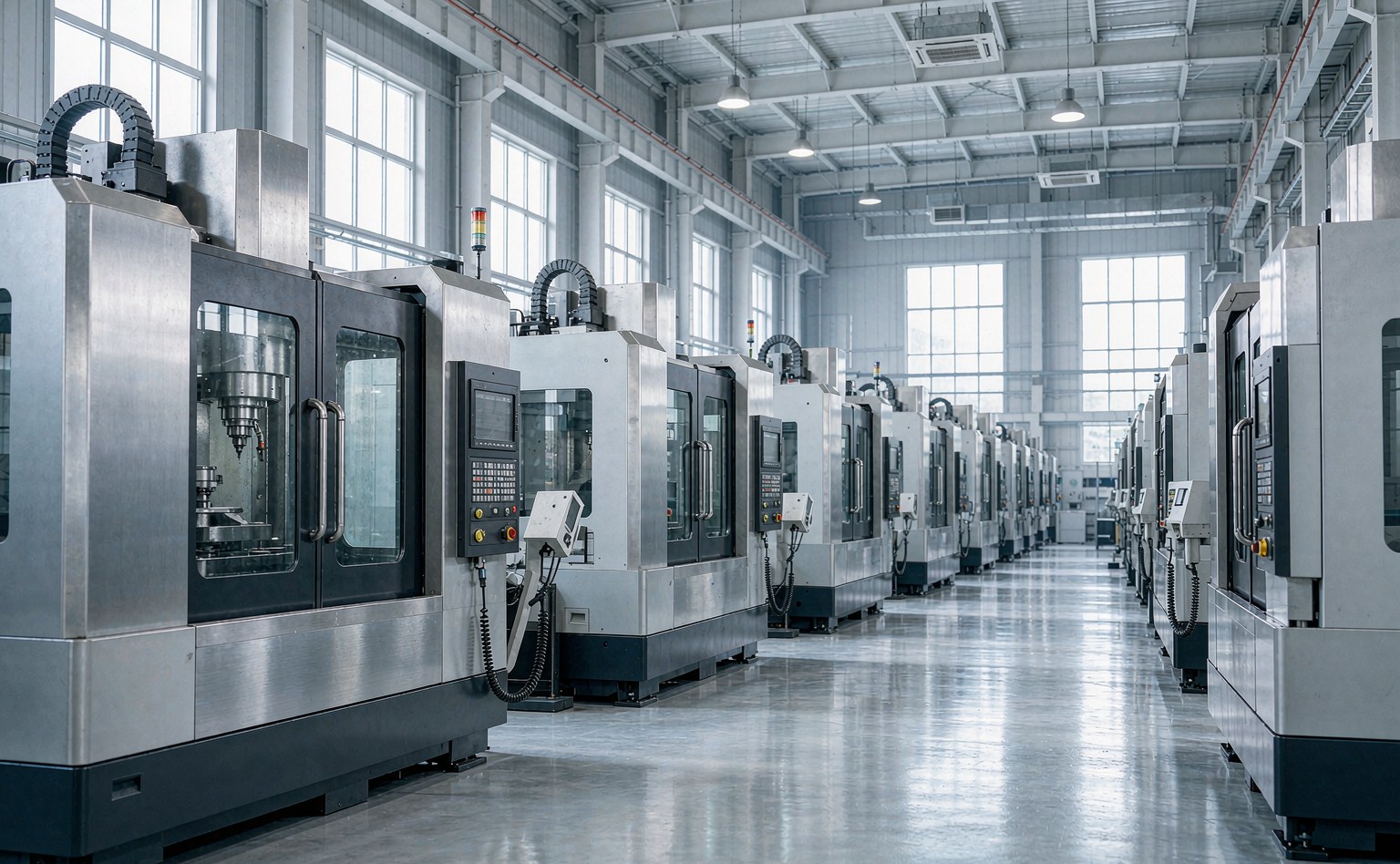
From assembly and repair to today's precision manufacturing system (illustrative)
OEM transition and the "nib question"
After reform and opening-up, China's pen industry plugged into the global supply chain through OEM manufacturing, and output quickly became the world's largest — public industry data commonly cite tens of billions of pens a year, around 80% of global production. But "we can make it" is not "we make the best": before 2017, the free-machining stainless steel for ballpoint sockets long depended on imports, and "why can't China make ballpoint tips" became a national question; when Taiyuan Iron & Steel announced mass production of nib steel that year, that link was finally closed. It is an accurate miniature of the industry: scale long since at the summit, key materials and processes being tackled one by one.
Also, honestly
Largest output is not the strongest brand — high-end fountain-pen marques and top-tier ink formulation are still catching up. But the trend is equally real: in export structure, the share of high-value precision and gift pens keeps rising; light customization, all-metal construction and original design are becoming the keywords of a new generation of Chinese pen makers. From "foreign pens" to "made in China", the second half of the story has just begun.