What 50 to 5,000 Yuan Buys You in a Pen
Two pens, a 100-fold price gap — what exactly is the difference? We break down the mainstream price bands: what you actually get at each level, and where the money goes.
Two shelves in a stationery store often separate a 100-fold price gap. What differs is rarely "whether it can write" — both can. The difference lies in everything beyond writing. Break down the mainstream price bands and what each level buys becomes remarkably clear.
Four bands, four purchases
| Band | Typical product | What you pay for |
| Under 50 yuan | Mass-produced gel pens, basic metal ballpoints | Reliable writing function itself |
| 50–300 yuan | All-metal pens, engraved light-custom models | Materials (solid metal, PVD finish) and durability |
| 300–1,000 yuan | Flagships of mainstream Japanese/German brands, entry gold-nib fountain pens | Nib grade, accumulated brand craft |
| 1,000–5,000 yuan | Precious-metal pens, limited editions | Design and status, collectible value |
Beyond price, a pen's worth depends on the scene it serves
Where the money actually goes
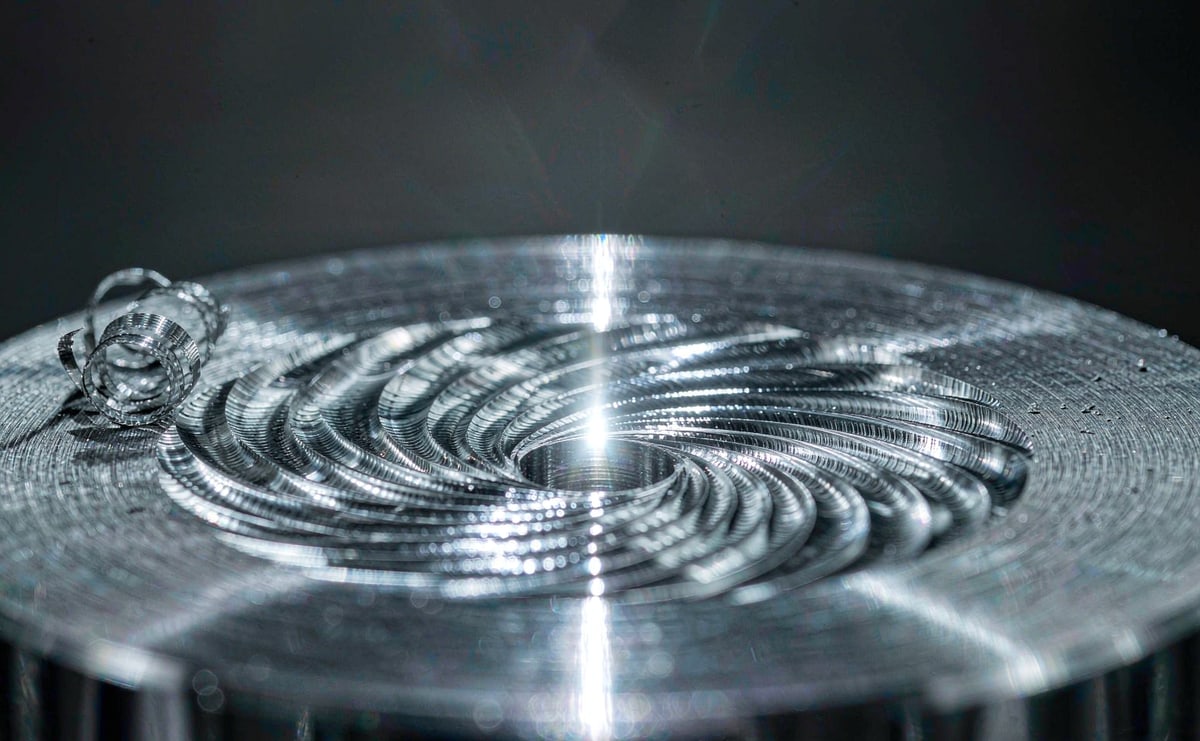
A counter-intuitive fact: the material-cost gap between a 50-yuan and a 500-yuan pen is small — 304 stainless or brass bar stock is not expensive. The real gap is in process and tolerance: parting lines on molded parts, abrasion cycles of plating, dimensional control at the 0.01 mm level on machined parts — each is bought with equipment and labor hours. Above that come design investment and brand premium; past 3,000 yuan, those two are mostly what you buy.
Also, honestly
The technical ceiling at 50 yuan is already high: a good mass-produced gel pen rivals many hundred-yuan pens in ink stability and smoothness. The price divide is not about how differently they write — it is about feel, lifespan and expression. Decide by use: heavy daily writing favors smooth reliability; signing and business favor material and heft; gifting favors design and brand. The right price band is the one that matches the scene.