Where Pens Come From: From Knotted Cords to Metal Pens
Before writing, humans recorded with rope. From knots to tallies, reed pens to quills, then metal nibs and ballpoints — the history of the pen is a millennia-long relay of the need to record.

Ask when the pen appeared, and the answer is not a year but a thread: the human urge to leave a record is older than writing itself. Follow that thread from the start — every link deserves its own article.
Rope: the first recording device
Before writing, early people recorded with knots — Chinese classical records note "for major matters, large knots; for minor ones, small knots"; the quipu of the Andes even survives in physical form: knots of different positions and types on hanging cords recording numbers and affairs. Rope was not a writing tool, but it was the first answer to the need of fixing information outside memory.
A knot: the first time humanity took information out of memory
From gravers to reeds and quills
In the oracle-bone era the pen's role was played by the graver — from around the 14th century BC, Shang-era scribes incised characters on bone and shell. Meanwhile writing tools evolved along two rivers: Egypt wrote on papyrus with sharpened reeds (around 3000 BC), while Europe used the quill from about 600 AD for a thousand years — a quill lasted a few pages before needing recutting. A durable, mass-producible nib became the clearest pain point on the eve of the industrial revolution.
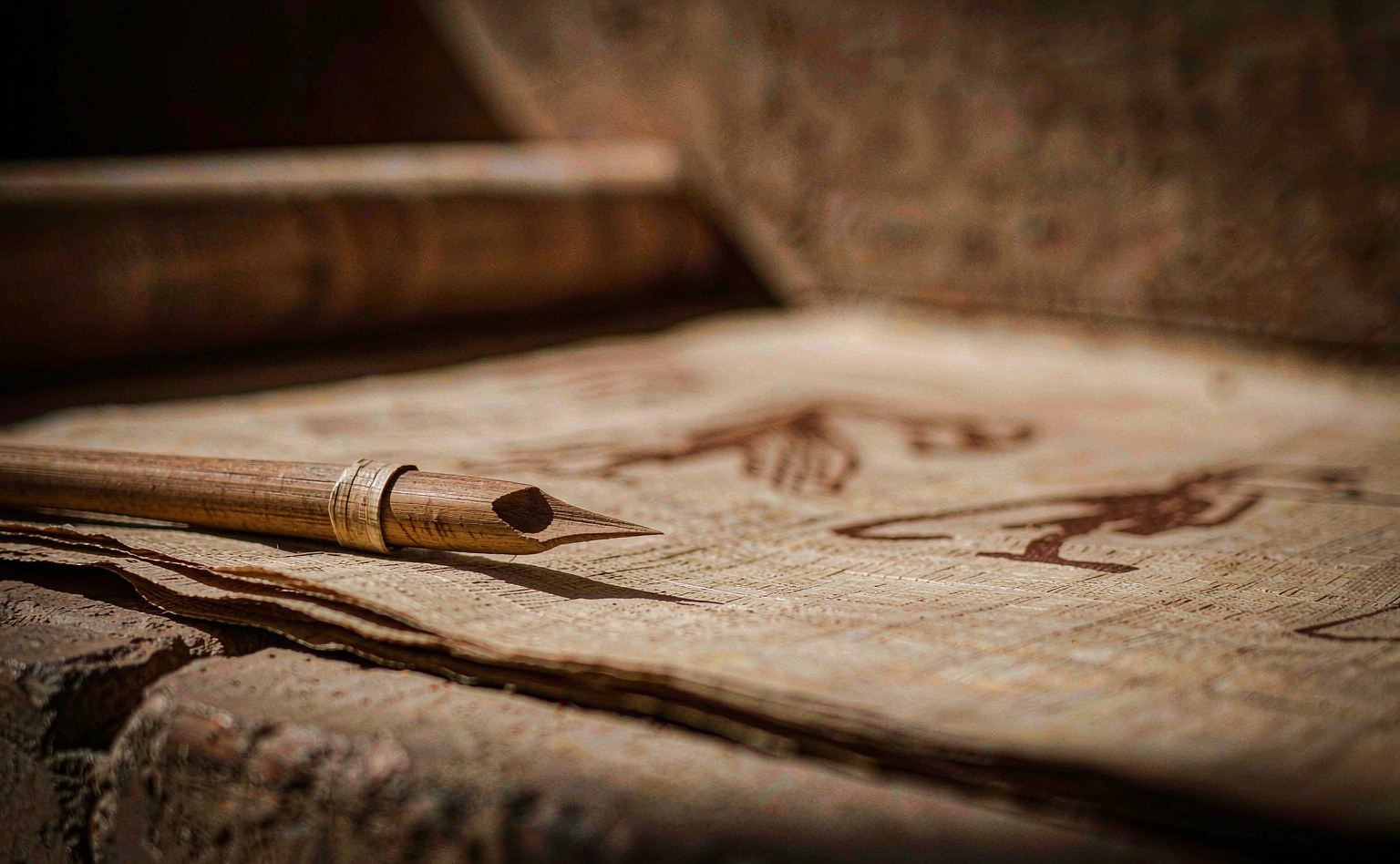
Reed pen and papyrus: one river of writing-tool evolution
Metal nibs: the first industrial battle
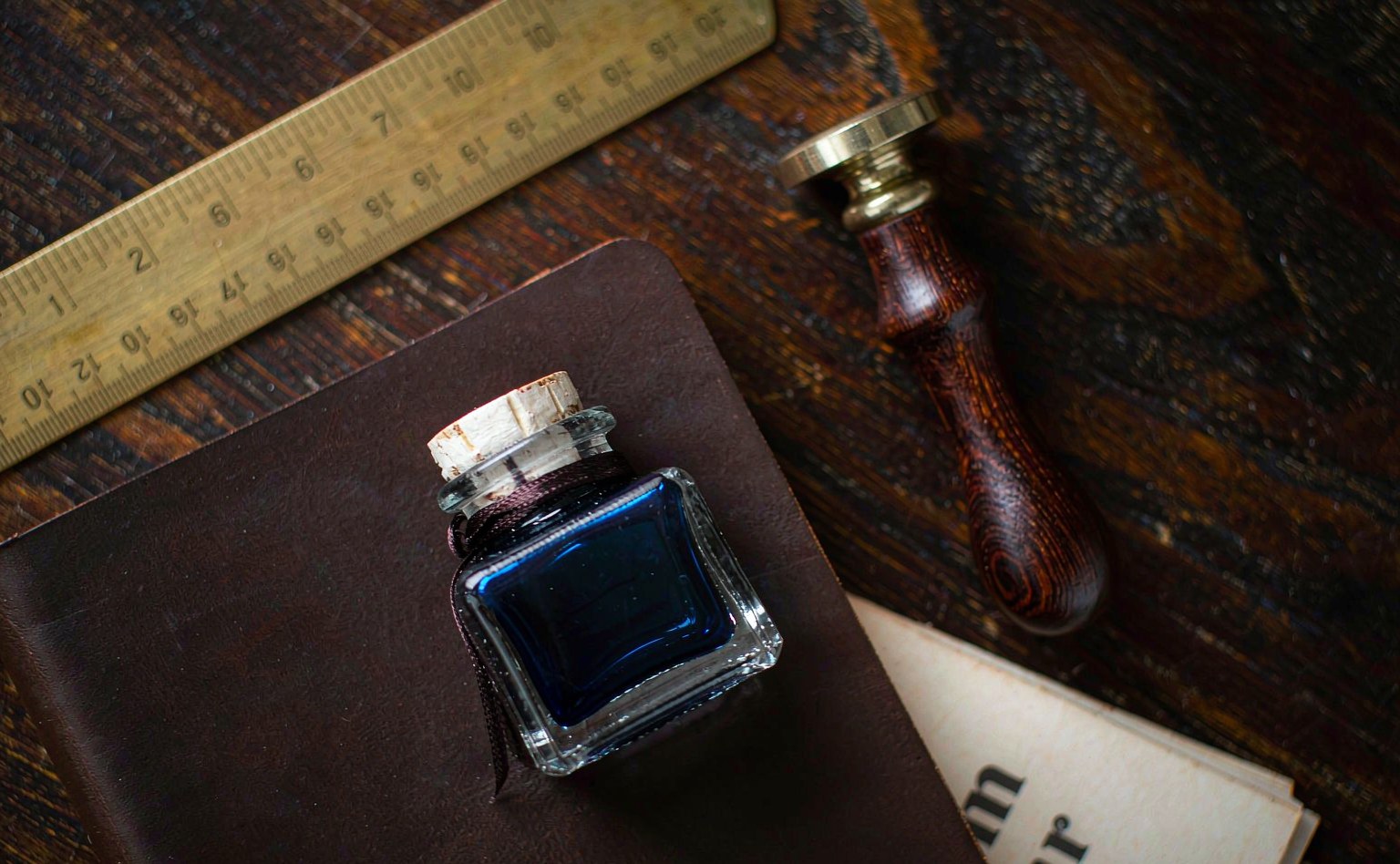
Around the 1820s, metal nibs entered industrial mass production; one nib lasted months and writing costs plummeted. But metal nibs only solved the "point" — the "ink" problem remained: dip pens required carrying an inkwell, until 1884, when America's Waterman used capillary action to build a reliable fountain pen. Only then did the pen become a complete tool that fits in a pocket.
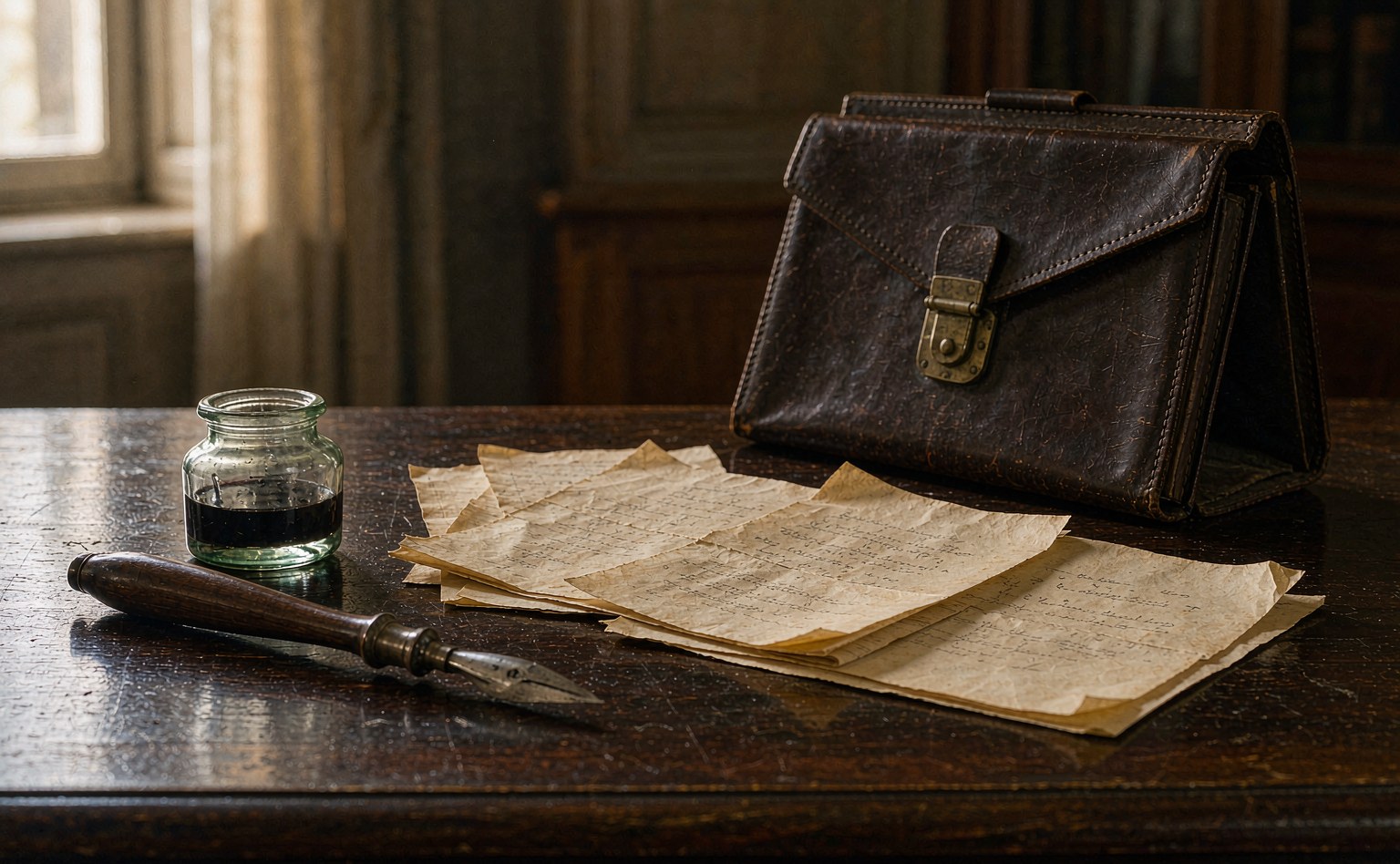
Dip pen and inkwell: the last era when pen and ink travelled separately
The final two steps
Around 1938 the ballpoint became practical (see the previous piece); around the 1960s low-viscosity gel pens appeared in Japan. From knots to gel pens, the whole thread is one question rewritten again and again: how to fix a piece of information at lower cost and higher reliability. When you spin an all-metal pen today, you are holding a relay baton at least five thousand years long.

A five-thousand-year relay baton, finally resting in today's hand
Also, honestly
Civilizations differ on how to define and date "the earliest" (whether knot records count as a precursor of writing, for example). This article follows widely cited public accounts, describing direction rather than precise dating.