Why We Insist on Standard-Size Refills
A pen that cannot take a new refill locks the user in. Standard sizes sound like extra hassle for us, but they decide whether the pen stays usable three years later, and whether a buyer must re-qualify specifications when replacing stock.
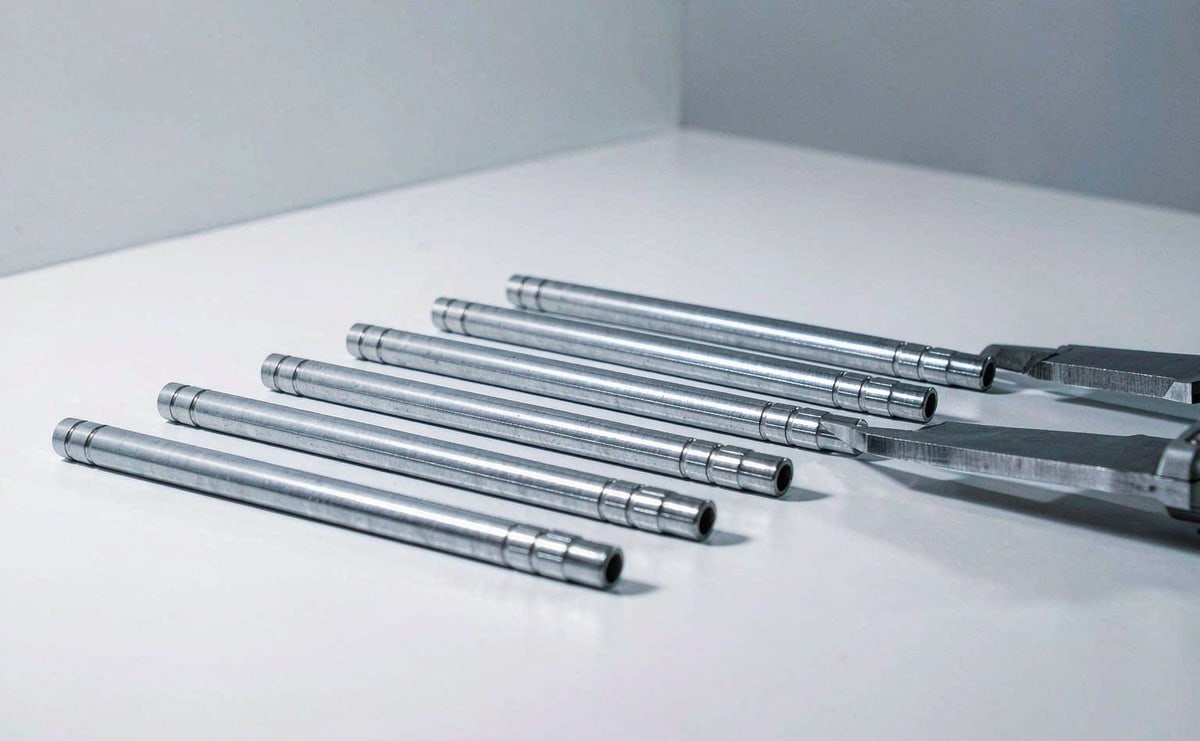
Many pens are pleasant when new and, three years later, run out of ink with no refill that fits. The problem is usually not a broken pen but a non-standard refill.We put refill specifications into our product standards not for convenience, but because we do not want a pen to end its life for lack of a replacement.
Three concrete problems standard sizes solve
Continuity of use. A pen's physical life normally far exceeds the life of its refill. If no refill fits, the refill becomes the ceiling on the pen's life — the body is barely used but set aside for lack of a cartridge. Standard specifications let the barrel keep going.
Procurement and stock efficiency. The worst situation for an organisation is one specification per pen model. With unified specifications, refills can be bought by the case and replenished on demand, without re-qualifying and separately stocking every new model.
Cost of changing habits. A good pen lives in a bag, a pencil case, gets borrowed. Refills are consumables meant to be replenished; as long as a matching refill exists, people keep using the pen — instead of switching to something else years later.
One batch inspected side by side: identical specifications mean the user can find replacements, and the line can judge every unit against one inspection standard
Standard does not mean interchangeable
One point is often misunderstood: standard specifications do not mean every refill fits every pen.Ball diameter (0.5 / 0.7 / 1.0mm and others), refill length and diameter, and ink type (oil-based or water-based) must match, or you get no flow or leakage. "Standard" means a given model stays reliably usable through its life — not that any cartridge fits any body.
That boundary shapes how we manufacture: refills of the same model must stay consistent in dimensions, flow stability and ink type, otherwise the promise of "replacements are always available" is only nominal — as soon as batch two differs in size from batch one, interchangeability exists only on paper.
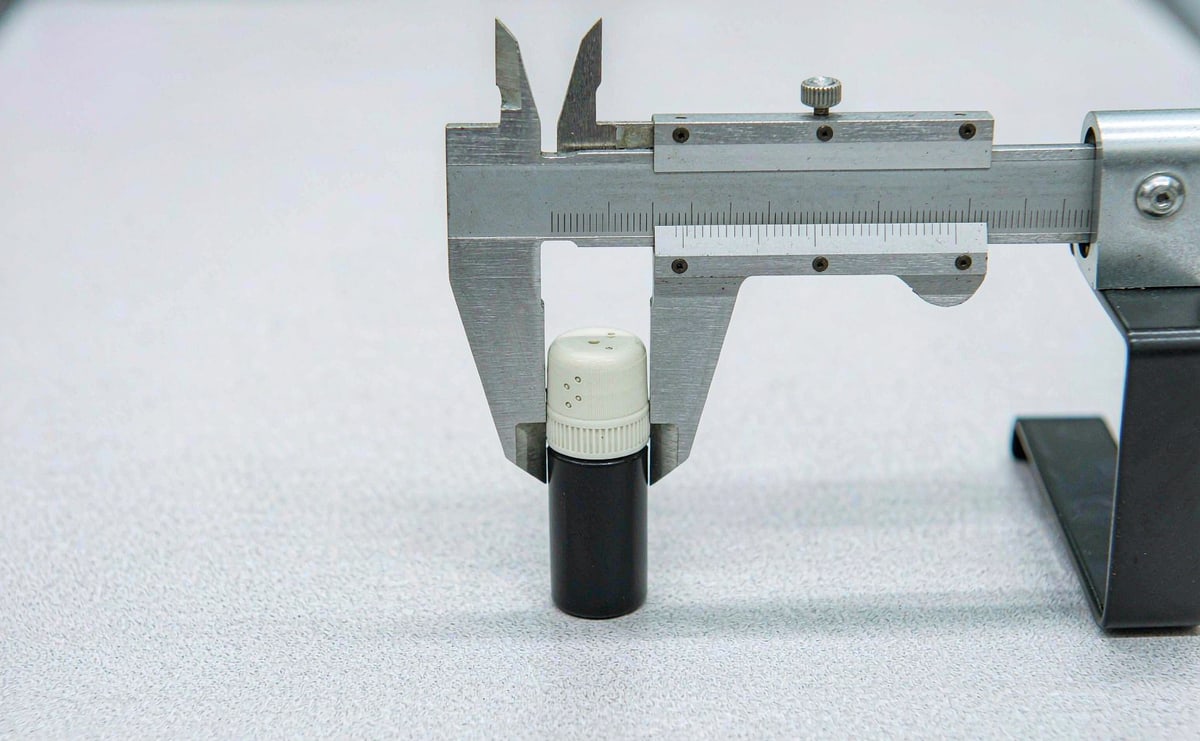
A caliper on one refill: every unit of the same model passes this check — consistent dimensions are what make "replacements always available" a real statement
Write the commitment into the standard
The last point is the one most often skipped: standard specifications must be written into the product standard and kept stable.If the specification changes every so often, pens already in use gradually stop working and earlier commitments lapse. For a brand that emphasises long-term use, stability of specification is itself part of the promise.
In one sentence: standard sizes do not complicate the work — they stop a refill's life from capping a pen's physical life, and that promise holds only because the specifications stay consistent over time.